 English
 Spanish
Plant Decoration Trends 2026: What’s Set to Be Big This Year
Plant Decoration Trends 2026: What’s Set to Be Big This Year
Plants have been gaining prominence in our homes and gardens for years. But in 2026, the focus is shifting slightly. It is no longer simply about placing a beautiful pot in a corner, but about designing spaces that feel alive, contribute to our wellbeing and make sense in our everyday lives.
This year, trends are moving towards what is natural, useful and sustainable. We want gardens that help us relax, terraces filled with pleasant scents, balconies that offer more than just shade, and living rooms that truly breathe green. Today, we take a look at the trends set to make an impact and how you can adapt them to your own space.
1. The Emotional and Sensory Garden
In 2026, gardens are being designed with one key question in mind: how do they make you feel when you are in them? The idea is simple: they should smell good, include some movement and feel pleasant to the touch.
Lavender, rosemary, thyme and jasmine add fragrance and work especially well near seating areas or places you walk past frequently.
It is also worth including plants that move gently in the breeze, such as certain ornamental grasses or salvias, because this small detail makes the space feel much more alive. When everything is rigid and static, a garden can look more artificial.
Combining fine leaves with larger foliage and mixing different shades of green with grey or violet tones helps create depth without making the overall design feel overloaded.
The key is to think of the garden as a place to spend time in, not simply something to look at from a distance.
2. Herbs and Fruit Trees Integrated into Everyday Life
In 2026, plants that are both decorative and useful are becoming increasingly popular. Herbs are no longer relegated to a secondary corner of the garden; instead, they are placed in visible and easily accessible areas.
Rosemary, thyme, basil or mint planted in pots near the kitchen or on the terrace make it easy to pick fresh leaves whenever you need them.
Potted fruit trees are also becoming increasingly popular, particularly lemon trees, kumquats and small orange trees. They work very well on sunny patios and balconies because they combine greenery, flowers, fragrance and fruit in a single plant.
The trend is clear: if you have the space, use it so that plants become part of your daily routine. You step out onto the terrace, pick a few basil leaves and head straight back into the kitchen. The garden stops being purely decorative and becomes useful too.
3. The Vegetable Garden as a Way to Make Better Use of Outdoor Space
More and more people are dedicating part of their garden or terrace to growing their own vegetables. The trend for 2026 is clear: if you have outdoor space, use some of it to grow food you can enjoy at home.
Lettuce, tomatoes, peppers, courgettes and strawberries can all be incorporated into the overall garden design. Growing areas can be clearly defined using raised beds, vegetable-growing tables or planters, with crops planned according to orientation and the number of hours of sunlight available.
The aim is to create a vegetable garden that works well and is productive, rather than improvising. Choosing varieties suited to the climate, taking care of the soil and organising crops according to the seasons can make a significant difference.
Growing your own vegetables brings a great sense of satisfaction, can improve your diet and changes the way you experience your outdoor space. The garden stops being purely ornamental and becomes an active part of your everyday life.
4. Natural Planting and the “Spontaneous Vegetation” Effect
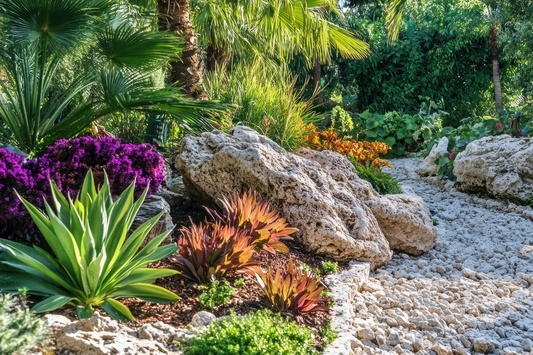
In 2026, gardens are moving away from straight lines and perfectly trimmed hedges. A looser, more natural appearance is gaining ground, inspired by the way plants grow in nature but still supported by careful planning.
Mixing shrubs, perennials and ornamental grasses of different heights works particularly well because it gives the space volume and depth. Placing lower plants at the front and taller plants behind them creates perspective and makes the garden feel fuller without overcrowding it.
It is also worth choosing species that flower at different times of the year. This helps the garden remain interesting for longer and prevents it from relying on a single spectacular flowering period.
The final effect feels natural, but it is still intentional. Nothing is placed at random.
6. Textured Pots and Natural Materials
On patios and terraces, pots play an important role in the overall appearance of the space. Terracotta, ceramics with irregular finishes, and sand or stone tones combine beautifully with greenery and add warmth.
Grouping several pots made from the same material or within the same colour palette helps the space look more organised. You can play with different sizes while maintaining this sense of consistency so that the overall composition feels harmonious.
Beyond aesthetics, choosing the right pot size and ensuring good drainage are also essential. A well-chosen pot helps the plant develop properly while also improving the overall visual result.
7. Gardens That Improve the Environment
In 2026, gardens are going a step further than simply saving water or reducing the use of chemical products. The trend is towards creating spaces that not only perform well but also make a positive contribution to the surrounding environment.
Choosing plants adapted to the local climate remains important because it reduces watering needs and maintenance. But there is also a growing interest in including species that attract bees, butterflies and other pollinators. Lavender, salvias, rosemary and verbena, for example, bring activity into the garden and support biodiversity.
Soil is also becoming increasingly important. Adding organic mulch, using ground-cover plants or incorporating organic matter can improve soil structure and help it retain moisture more effectively.
The result is a garden that not only uses fewer resources but also functions as a small ecosystem: a more balanced, vibrant space with greater environmental value.
What Do You Think of This Year’s Plant Decoration Trends?
These are some of the trends shaping garden design this year. They reflect a different way of understanding outdoor spaces: more natural, more useful and more connected to the surrounding environment.
Even so, every garden is different. The size of the plot, its orientation, the climate and the amount of time you want to dedicate to maintenance all have a major influence on the decisions you should make. That is why the most important thing is to adapt these ideas to your own particular situation.
If you would like to design a garden that suits your tastes or transform the one you already have, Viveros González can help you. We have many years of experience advising customers on plants, garden layouts and species selection, helping to create gardens that work well and can genuinely be enjoyed.
All you need to do is get in touch with us and tell us what you have in mind.