 English
 Spanish
Spring Pest Control: 5 Products That Work in 2026
Spring Pest Control: 5 Products That Work in 2026
Spring is one of the most beautiful times of the year for any gardening enthusiast.
The days are longer, temperatures begin to rise and many plants enter their main period of growth and flowering.
But this awakening of the garden also brings a number of less welcome visitors.
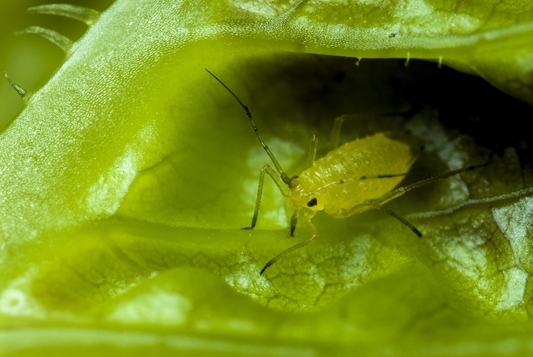
Aphids, mealybugs, whiteflies, fungi and other pests take advantage of the favourable conditions at this time of year to multiply rapidly and spread throughout our plants.
That is why it is important to keep an eye on your garden from the very beginning.
And above all, it is essential to know which products you can use in each situation.
That way, as soon as you notice a pest threatening your plants, you can act quickly and tackle the problem before it gets worse.
In this article, we look at some of the most useful products for controlling pests and diseases in your garden.
Let’s get started.
The Best Products for Controlling Pests and Diseases in Spring
Potassium Soap: An Effective Solution for Soft-Bodied Insects
Potassium soap is one of the most widely used gardening products for controlling certain pests.
It is mainly used against soft-bodied insects such as aphids, whiteflies and mealybugs, particularly during the early stages of an infestation.
Its action is quite simple. When it comes into direct contact with the insect, it affects its protective outer layer and causes dehydration.
For good results, it is important to spray the product directly onto the pest, as it works through contact.
Make sure you apply it particularly to the undersides of leaves, where many of these insects tend to hide.
Early treatment is usually the most effective, especially when the first signs of infestation are detected before the population increases significantly.
Neem Oil: Protection Against a Wide Range of Pests
Neem oil is obtained from the seeds of a tree native to Asia and has been used in agriculture and gardening for many years.
Its popularity comes from its ability to help control a wide range of common spring pests.
These include aphids, whiteflies, thrips, mealybugs and spider mites.
Unlike potassium soap, neem oil does not work exclusively through direct contact.
When insects come into contact with it or feed on a treated plant, their development can be disrupted, making it increasingly difficult for them to continue growing and reproducing.
For this reason, it can help keep pest populations under control for longer periods.
In many cases, neem oil can also be used alongside potassium soap to achieve better results.
Specific Insecticides for Persistent Pests
The products we have looked at so far work very well against many common garden pests.
However, every insect is different, and some pests require more specific treatments to achieve good results.
If you are dealing with caterpillars, spider mites, a widespread mealybug infestation or another difficult-to-control pest, it may be necessary to use an insecticide specifically designed for that particular problem.
The advantage of these products is that they are formulated to target a specific pest, so they can often provide faster and more effective results.
Traps for Ants, Wasps and Other Unwanted Insects
Traps can help control certain insects and also allow you to detect their presence before they begin causing significant problems.
For example, ant traps can help reduce colony activity around pots, vegetable gardens and landscaped areas.
You can also use traps for wasps and hornets, which can be particularly useful during spring when these insects start becoming more active.
Using traps at this time of year can make it easier to control populations before they increase during summer.
They can also help you quickly identify which insects are appearing in your garden so you can act before they cause serious damage.
Fungicides to Prevent and Control Common Diseases
Spring can also bring diseases caused by fungi.
Rising temperatures, frequent watering and humid conditions can create the perfect environment for these problems to develop.
Some of the most common fungal diseases include:
- Powdery mildew: appears as a white powdery coating on leaves, stems and young shoots. If left untreated, it can weaken the plant and slow its growth.
- Downy mildew: usually causes yellow or brown patches on leaves, which gradually dry out and deteriorate.
- Rust: easily recognised by orange or reddish spots appearing on leaves and stems.
- Botrytis: mainly affects flowers, leaves and tender plant tissue, causing rot and a characteristic grey mould.
Fungicides can help prevent and control these types of diseases.
If you notice the first symptoms, act as soon as possible. Fungal diseases can spread very quickly when conditions are favourable.
If you have plants that are particularly sensitive to these problems, preventive treatment during spring may help you avoid more serious issues later in the season.
Getting Ahead of Pests Always Works in Your Favour
When dealing with pests and fungal diseases, acting early makes a big difference.
A small colony of aphids or the first spots caused by a fungus are much easier to control than a problem that has already been developing for several weeks.
That is why it is a good idea to regularly inspect leaves, stems, flowers and new shoots throughout spring.
Often, just a few minutes of observation are enough to detect the first symptoms and prevent the problem from becoming more serious.
And if you are unsure which product you need or what is affecting your plants, you can get in touch with us.
At Viveros González, we have many years of experience helping customers care for all types of gardens, and we can help you find the most suitable treatment for your plants.
Simply contact us and tell us about the problem so we can advise you.
We will be delighted to help you keep your plants healthy and happy.