
 English
 Spanish


Mazus reptans (creeping Mazus) is a semi-evergreen perennial that forms an attractive carpet of narrow leaves.
 Encrypted payments for greater security
To reduce the plant's time in transit, shipments are made from Monday to Wednesday.


Shipping only to mainland Spain and mainland Portugal
Mazus reptans, commonly known as creeping mazus, is a low-growing perennial ground-cover plant. It forms a dense carpet of small green leaves with slightly toothed edges. In spring and early summer, it produces small tubular flowers in lilac, violet, or bluish tones, often with yellow and white markings in the centre. It is ideal for covering soil, borders, rock gardens, or spaces between stepping stones.
Mazus reptans is native to areas of the Himalayas and Asia, where it grows in cool, moist, and well-drained environments.
Over time, it has become widely used in gardening as a ground-cover plant because of its fast growth and its ability to form attractive green mats. It is a practical choice for partially shaded areas or places where a low, natural-looking cover is desired.
It is an easy plant to maintain when grown in fresh conditions.
Watering should be regular.
Pruning is very simple.
One of the most interesting qualities of Mazus reptans is that it can be used as an alternative to grass in small shaded areas or between stepping stones. Its lilac flowers also add a delicate, natural touch in spring.

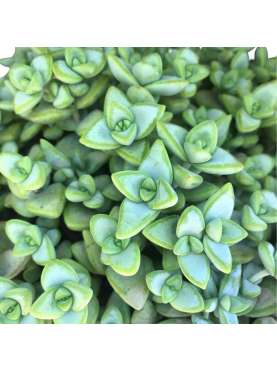




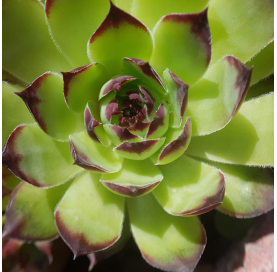
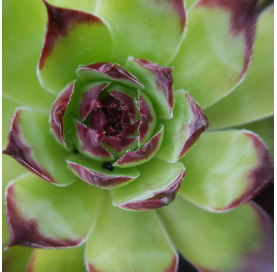
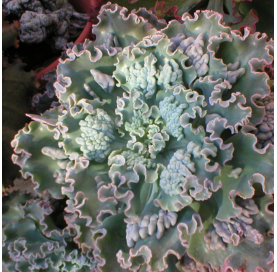





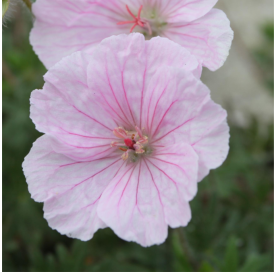
Mazus reptans (creeping Mazus) is a semi-evergreen perennial that forms an attractive carpet of narrow leaves.