
Taxus baccata or Yew plant. C30

4210-30
The Yew belongs to the genus Taxus, family Taxaceae, which includes about 20 species of trees native to Europe, Asia, Sumatra and Central Asia.

€45.00
VAT included
Out-of-Stock

  Encrypted payments for greater security

To reduce the plant's time in transit, shipments are made from Monday to Wednesday.



Shipping only to mainland Spain and mainland Portugal
Taxus baccata – English yew

Description

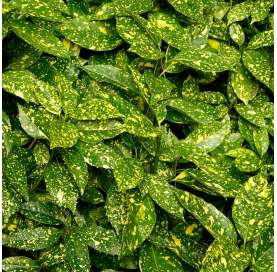
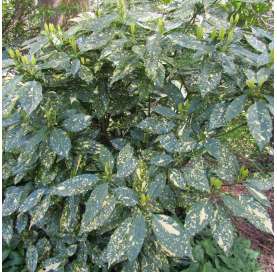
Taxus baccata, commonly known as English yew, is a slow-growing evergreen conifer with an elegant habit. It has narrow, flat, dark green leaves arranged along the branches. It can grow as a dense shrub or as a tree, and is widely used in formal gardens, hedges, topiary, and shaded planting schemes. It produces very striking red, fleshy fruits, although most parts of the plant are toxic.

Origin

English yew is native to Europe, North Africa, and parts of western Asia. It grows naturally in cool woodlands, mountainous areas, and places with some atmospheric humidity.

History

Yew is a plant with strong historical and symbolic value. Since ancient times, it has been associated with longevity, protection, and memory, as it can live for many centuries. It has also been traditionally used in classical gardens because it responds very well to pruning and can form dense hedges or clipped shapes.

Care

It is a hardy and very long-lived plant when grown in suitable conditions.

  • Light: can grow in sun, partial shade, or bright shade.
  • Soil: prefers fertile, fresh, and well-drained soil.
  • Position: ideal for hedges, formal gardens, shaded areas, large containers, and topiary.
  • Resistance: tolerates cold well and adapts to temperate climates.

Watering

Watering should be moderate.

  • During the first years, it benefits from regular watering.
  • Once established, it tolerates short dry periods better.
  • It appreciates fresh soil, but does not tolerate prolonged waterlogging.

Pruning

Pruning is one of its main ornamental advantages.

  • It responds very well to formative and maintenance pruning.
  • It can be trimmed to create hedges, shapes, or a compact form.
  • The best time is usually late winter or after the main growth period.
  • Dry, weak, or badly placed branches should be removed.

Curiosity

One of the most important curiosities about Taxus baccata is its longevity: some specimens can live for hundreds, or even more than a thousand years. It is also important to remember that almost the entire plant is toxic, except for the red fleshy part of the fruit, although the seed inside it is toxic, so it should be handled with care.

4210-30
2022-12-14

Data sheet

Name
Taxus baccata
Origen
Europa
Height
Up to 2 m
Colour
Grey-green leaves, red flowers
Flowering
Winter, spring and summer
Location
Sun
Irrigation
Moderated
Applications
Gardens
Sales format
Pot of 30cms
Others
Can resist sea conditions
Note
Al tratarse de planta viva y dependiendo de la temporada, la planta puede ser recibida, en algunos casos, no exactamente igual que en la fotografía, aunque sí lo más parecida posible. Sin que ello repercuta en la calidad de la misma.

12 other products in the same category: