
 English
 Spanish
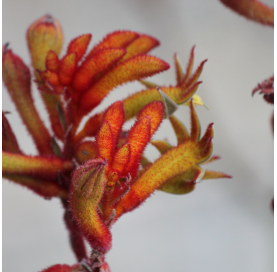


Anigozanthos flavidus, commonly known as the Kangaroo Paw, is a perennial plant native to Australia with velvety, claw-shaped tubular flowers. It thrives in dry conditions, attracts pollinators like bees and hummingbirds, and offers a long-lasting bloom. Perfect for xeriscaping, it requires full sun, well-drained soil, and regular pruning to maintain its vigor.
 Encrypted payments for greater security
To reduce the plant's time in transit, shipments are made from Monday to Wednesday.


Shipping only to mainland Spain and mainland Portugal
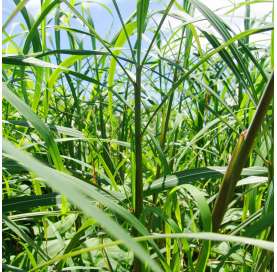
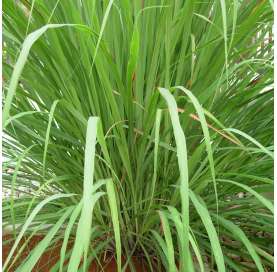
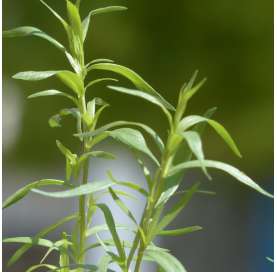
Anigozanthos flavidus, commonly known as the kangaroo paw, is a perennial plant native to Australia, famous for its tubular, claw-shaped flowers and long, narrow foliage. It is a rhizomatous plant that can reach up to 2 meters (6.5 feet) in height when in bloom. Its leaves are linear and bright green, while its flower stems are upright and may have reddish or brownish tones.
The flowers, arranged in clusters, display vibrant colors ranging from yellow, red, and pink to orange and green. These flowers have a velvety texture due to the dense pubescence covering them, giving them a striking and unique appearance.
Anigozanthos flavidus is endemic to southwestern Australia, where it grows in sandy, well-drained soils. Its scientific name comes from the Greek words anisos (unequal) and anthos (flower), referring to the asymmetrical shape of its flowers.
It has been widely cultivated outside its native habitat due to its ornamental appeal and drought resistance, making it one of the most popular species of its genus in gardening. In Australia, it has become a symbol of the country's native flora.
This low-maintenance plant is perfect for Mediterranean-style gardens, xeriscaping, or container gardening, offering great ornamental value.
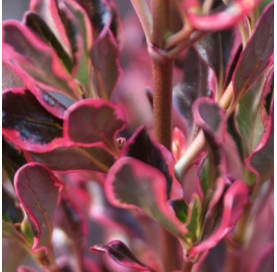
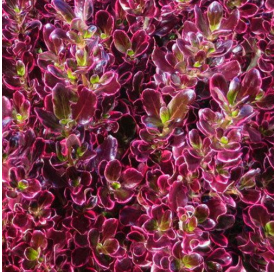

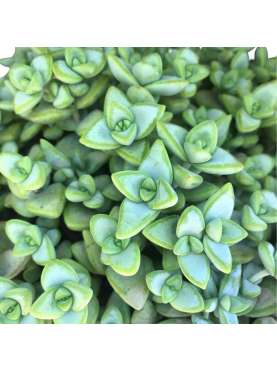



Anigozanthos flavidus, commonly known as the Kangaroo Paw, is a perennial plant native to Australia with velvety, claw-shaped tubular flowers. It thrives in dry conditions, attracts pollinators like bees and hummingbirds, and offers a long-lasting bloom. Perfect for xeriscaping, it requires full sun, well-drained soil, and regular pruning to maintain its vigor.