
 English
 Spanish
- New
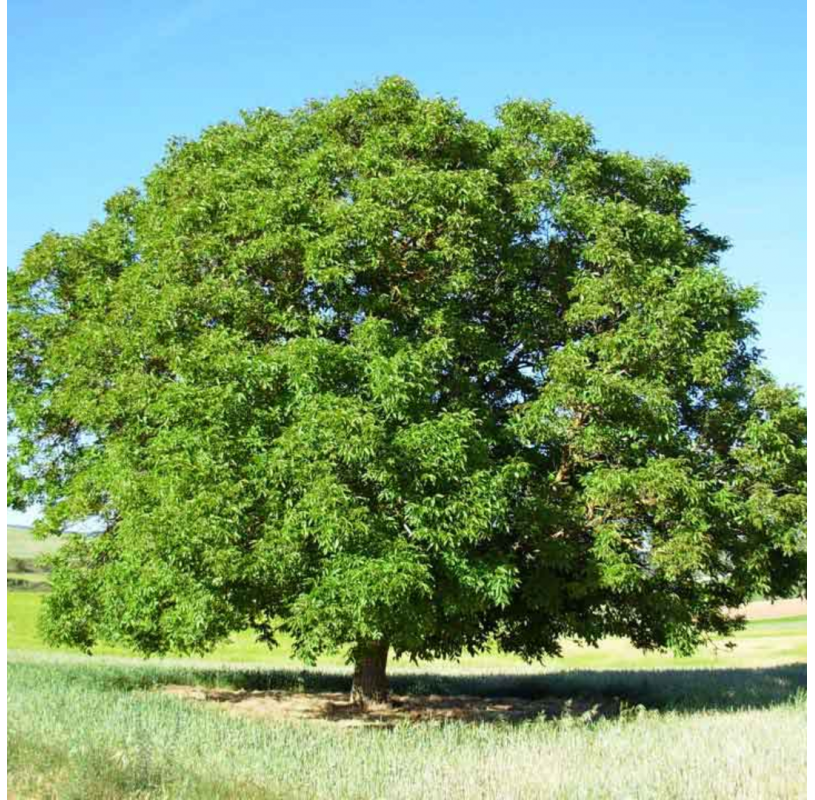
Juglans regia, commonly known as the walnut tree, is a large, long-lived tree prized for its nuts and high-quality wood. Native to Central Asia, it thrives in full sun, deep fertile soils, and requires moderate watering with minimal pruning.
 Encrypted payments for greater security
To reduce the plant's time in transit, shipments are made from Monday to Wednesday.


Shipping only to mainland Spain and mainland Portugal
Origin
The common walnut is native to Central Asia and parts of southeastern Europe. From there, it spread throughout the Mediterranean and Europe due to its high value as both a food source and a timber tree.
History
Cultivated since ancient times, it was highly valued by the Greeks and Romans. The name regia means “royal,” reflecting the prestige of its nuts and the quality of its wood, historically used in fine furniture and cabinetry.
Curiosity
The walnut tree releases a natural substance called juglone, which can inhibit the growth of nearby plants. For this reason, little vegetation usually grows beneath its canopy.
Care
It is a large tree, suitable for spacious gardens or agricultural use. It requires full sun and deep, fertile, well-drained soil. It tolerates cold well but is sensitive to late spring frosts.
Watering
Moderate. Regular watering is important during the first years to help establish strong roots. Once mature, it tolerates dry periods, although summer watering improves walnut production in very dry climates.
Pruning
Minimal and carefully done. Pruning should be carried out in late summer or autumn, avoiding winter, as the tree tends to bleed sap if pruned then. Focus on removing dead, damaged, or poorly positioned branches.





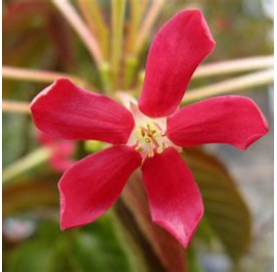
Juglans regia, commonly known as the walnut tree, is a large, long-lived tree prized for its nuts and high-quality wood. Native to Central Asia, it thrives in full sun, deep fertile soils, and requires moderate watering with minimal pruning.