
 English
 Spanish
- New


Mock orange (Philadelphus), also known as false jasmine, is an ornamental shrub prized for its abundant white flowers and sweet fragrance, reminiscent of jasmine. Blooming in late spring and early summer, it brings beauty and perfume to gardens. It is ideal for hedges, borders or as a specimen plant, thriving in both full sun and partial shade.
 Encrypted payments for greater security
To reduce the plant's time in transit, shipments are made from Monday to Wednesday.


Shipping only to mainland Spain and mainland Portugal
Philadelphus coronarius, commonly known as mock orange, is a deciduous ornamental shrub valued for its white, fragrant flowers. The blooms appear in spring or early summer and have a sweet scent reminiscent of jasmine or orange blossom. It forms an elegant shrub with arching branches and green leaves, making it ideal for gardens, informal hedges, and scented planting areas.
Philadelphus coronarius is native to southern Europe and western Asia, although it has been cultivated for a long time in gardens across many temperate regions.
Mock orange has long been used in traditional gardening for its fragrance and the simple beauty of its white flowers. For many years, it has been a familiar plant in patios and family gardens, especially appreciated for its spring flowering and natural appearance.
It is a hardy and easy shrub to maintain.
Watering should be moderate.
Pruning helps keep it attractive and flowering well.
Although it is sometimes called false jasmine, it does not belong to the same genus as true jasmines. It gets this name because of the strong fragrance of its white flowers, which is very similar to jasmine and brings a lovely scent to the garden in spring.




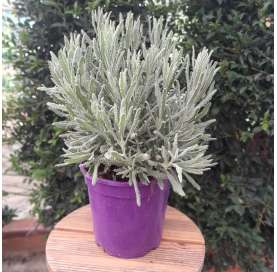
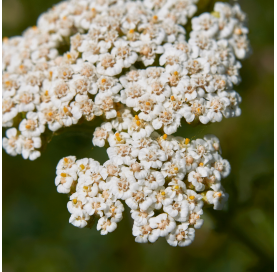
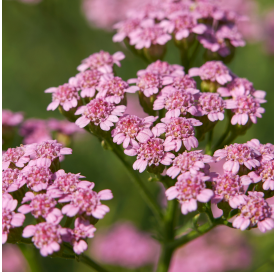
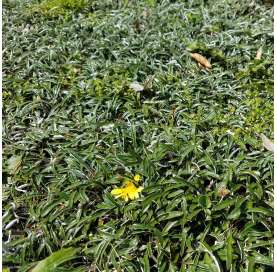


Mock orange (Philadelphus), also known as false jasmine, is an ornamental shrub prized for its abundant white flowers and sweet fragrance, reminiscent of jasmine. Blooming in late spring and early summer, it brings beauty and perfume to gardens. It is ideal for hedges, borders or as a specimen plant, thriving in both full sun and partial shade.