

• New

TILLANDSIA

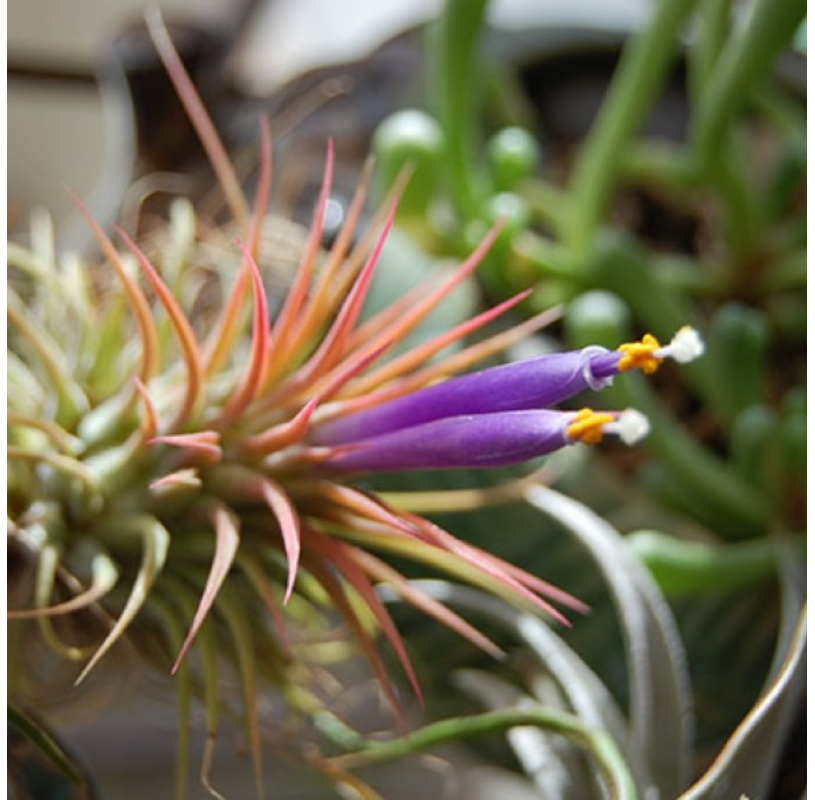
Tillandsia, commonly known as an air plant, belongs to the bromeliad family and is remarkable for its ability to grow without soil. It absorbs moisture and nutrients directly through its leaves. It is highly decorative, perfect for bright indoor spaces, terrariums and creative displays, while requiring very little maintenance.

  Encrypted payments for greater security

To reduce the plant's time in transit, shipments are made from Monday to Wednesday.



Shipping only to mainland Spain and mainland Portugal
Tillandsia

Description

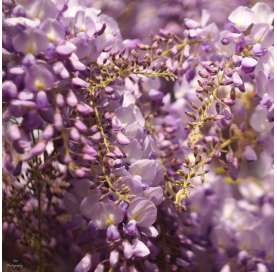
Tillandsia is a highly ornamental plant genus that includes many of the so-called air plants. These plants have a light and unusual appearance, with narrow, elongated, or curved leaves that may be green, grey, or silvery. Some form small rosettes, while others have a looser or trailing habit. Many varieties produce very decorative flowers and colourful bracts.

Origin

Tillandsia species are native to America, from the southern United States through Central America and much of South America. They grow in a wide range of habitats, from dry regions to humid forests.

History

Over time, tillandsias have become very popular in decoration and gardening because of their unusual appearance and the way many of them live without needing to grow in soil. This has made them highly valued for decorative arrangements, bright interiors, and hanging displays.

Care

They are easy plants to maintain if a few basic conditions are respected.

  • Light: they need plenty of light, but usually indirect light.
  • Ventilation: they appreciate well-ventilated places.
  • Position: ideal for bright indoor spaces, sheltered terraces, and decorative arrangements.
  • Substrate: many do not need soil, although some species can be placed on supports or special bases.

Watering

Watering should be light and regular, depending on the environment.

  • They are usually misted or lightly soaked from time to time.
  • In very dry environments, they may need a little more humidity.
  • It is important that they dry well after watering to avoid rot problems.

Pruning

Pruning is minimal.

  • Dry or damaged leaves should be removed.
  • When flowering has finished, the dry flower stem can be taken away if needed.
  • Offsets can also be separated when they are large enough.

Curiosity

One of the most interesting things about Tillandsia is that many species absorb moisture and part of their nutrients from the air through their leaves. That is why they are known as air plants and are so widely used in decoration because of their unusual appearance.

12 other products in the same category: