
 English
 Spanish

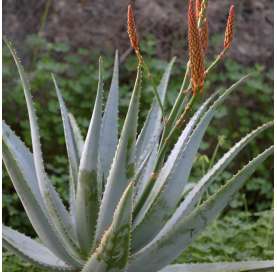
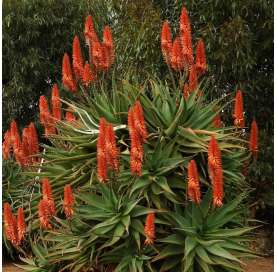

Aloe arborescens is a hardy, sun-loving succulent perfect for dry gardens and warm climates. Low maintenance and highly drought tolerant, it stands out for its spectacular red winter flowering.
 Encrypted payments for greater security
To reduce the plant's time in transit, shipments are made from Monday to Wednesday.


Shipping only to mainland Spain and mainland Portugal
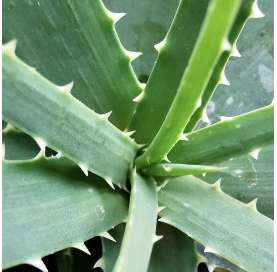
Aloe arborescens is a vigorous, shrub-forming succulent that can reach 2–3 metres in height. It develops dense clusters of fleshy, elongated, serrated leaves in a grey-green tone. In winter and early spring, it produces striking spike-shaped inflorescences with bright red to orange tubular flowers, adding strong ornamental value to the garden.
Native to southern Africa, particularly South Africa, Mozambique and Zimbabwe, where it grows naturally on sunny slopes and well-drained soils.
Traditionally cultivated for both ornamental and medicinal purposes. In many African cultures, it has been used in natural remedies similar to Aloe vera.
It is one of the most cold-hardy aloe species. Its winter flowering makes it an important nectar source for pollinators when few other plants are in bloom.
Requires full sun for optimal growth and flowering. Thrives in poor soils as long as drainage is excellent. Ideal for Mediterranean gardens, rock gardens and large containers.
Low. As a succulent, it is highly drought-tolerant. Water moderately and allow the soil to dry out between waterings.
Remove dry or damaged leaves as needed. Flower stalks can be cut back after blooming to maintain a tidy appearance.





Aloe arborescens is a hardy, sun-loving succulent perfect for dry gardens and warm climates. Low maintenance and highly drought tolerant, it stands out for its spectacular red winter flowering.