
 English
 Spanish
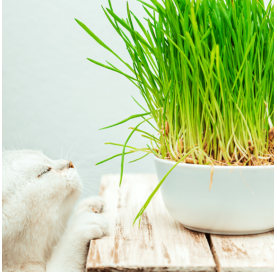
Nepeta cataria, commonly known as catnip, is a perennial aromatic plant that attracts felines due to nepetalactone, a volatile compound. Native to Europe and Asia, it is easy to grow, drought-resistant, and beneficial for both cats and as a calming herbal tea for humans.
 Encrypted payments for greater security
To reduce the plant's time in transit, shipments are made from Monday to Wednesday.


Shipping only to mainland Spain and mainland Portugal
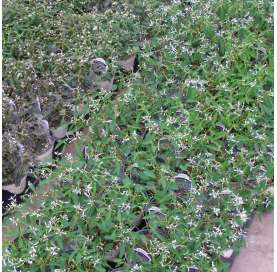
Nepeta cataria, commonly known as catnip or catmint, is a perennial herb belonging to the Lamiaceae family. It features an upright growth habit with slender, branching stems, grayish-green serrated leaves, and small white or pale purple flowers with darker spots. Its distinctive aroma is highly attractive to cats, who often rub against, chew, or roll in the plant.
Native to Europe, Asia, and parts of Africa, Nepeta cataria has been cultivated for centuries for its medicinal properties and its unique effect on cats. In ancient times, it was used in teas to relieve digestive issues and nervous tension in humans. Today, its popularity is mainly due to its appeal to felines, as it contains nepetalactone, a volatile compound that triggers playful and euphoric reactions in many cats.
Not all cats respond to Nepeta cataria! Approximately 30% of cats lack sensitivity to nepetalactone, the compound responsible for the plant's stimulating effects. Additionally, catnip has calming properties for humans and can be used in herbal teas.
Water when the soil is dry to the touch, avoiding excess moisture. During summer, it may require more frequent watering, but in winter, watering should be reduced.
Trim the stems after flowering to encourage new growth and maintain a tidy shape. Pruning in late winter also helps keep the plant healthy and vigorous.
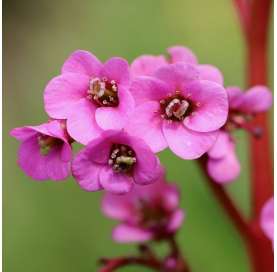
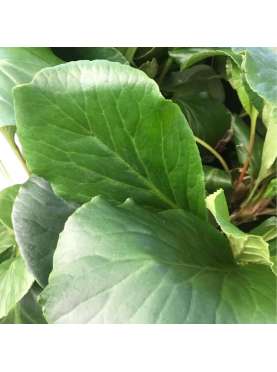
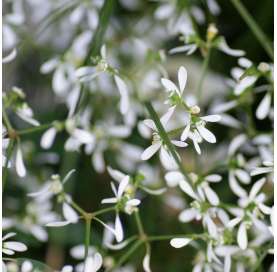


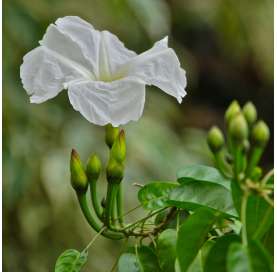

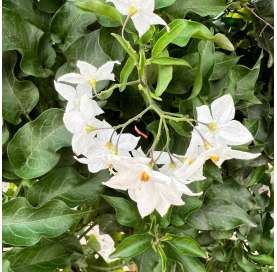
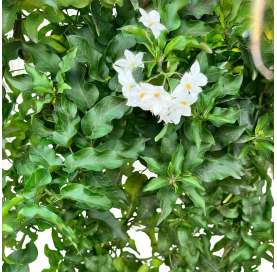
Nepeta cataria, commonly known as catnip, is a perennial aromatic plant that attracts felines due to nepetalactone, a volatile compound. Native to Europe and Asia, it is easy to grow, drought-resistant, and beneficial for both cats and as a calming herbal tea for humans.