
 English
 Spanish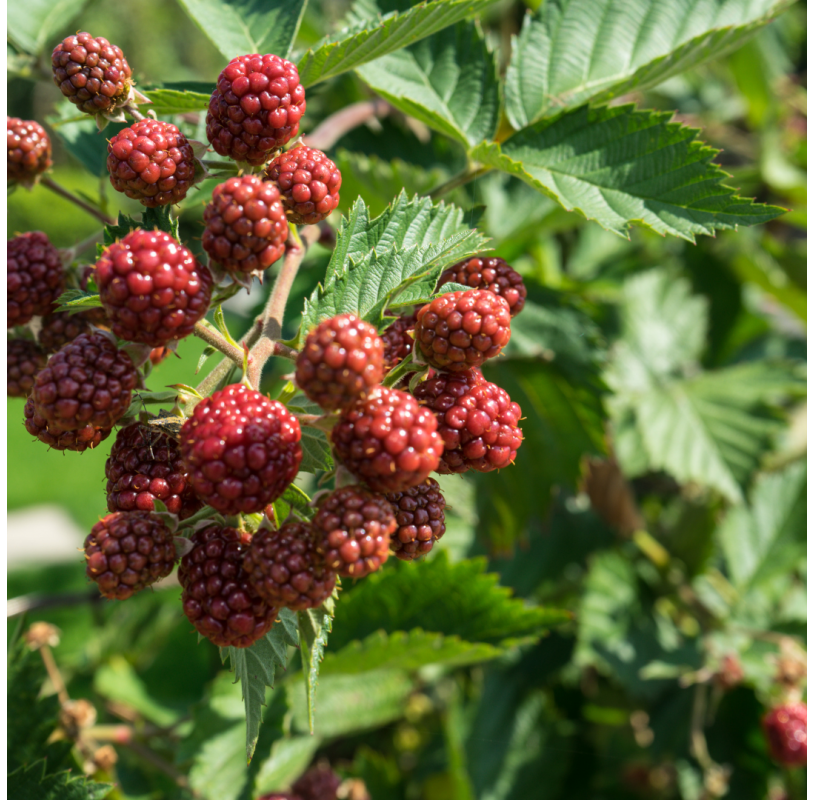

Rubus idaeus is an easy-to-grow fruit shrub that yields sweet red raspberries. Perfect for home gardens. Cold-hardy and very productive.
 Encrypted payments for greater security
To reduce the plant's time in transit, shipments are made from Monday to Wednesday.


Shipping only to mainland Spain and mainland Portugal
Rubus idaeus, commonly known as red raspberry, is a deciduous shrub from the rose family (Rosaceae) that produces small, sweet, red fruits highly valued for their flavor and nutritional properties. Its arching canes may have fine thorns, and its green leaves are made up of several leaflets, with a whitish underside.
Native to Europe and temperate Asia, raspberries have been cultivated since ancient times for both culinary and medicinal purposes. Today, they are among the most popular berries in home gardens and commercial farming.
Location: Prefers full sun or partial shade. The more sunlight it receives, the better the fruit production.
Temperature: Cold-hardy and requires a winter chill period to fruit properly.
Soil: Rich, well-draining, slightly acidic soil is ideal. Adding organic matter will support healthy growth.
Pests and diseases: Watch for pests like aphids or spider mites and fungal diseases such as powdery mildew during the growing season.
Regular watering is essential, especially during flowering and fruit development. Keep the soil consistently moist but avoid waterlogging. In hot climates, increase watering frequency and use mulch to retain moisture.
Pruning is key to maintaining a healthy plant and ensuring good fruiting:
After harvesting, remove the canes that have already borne fruit, as they won't fruit again.
In late winter, cut back weak or damaged canes and open up the center of the plant to improve air circulation.
In addition to their delicious fruits, raspberry leaves are used in herbal teas for their astringent and anti-inflammatory properties. Traditionally, they’ve been used to ease digestive issues and menstrual discomfort.
Europe and temperate Asia.



Rubus idaeus is an easy-to-grow fruit shrub that yields sweet red raspberries. Perfect for home gardens. Cold-hardy and very productive.