

• New

bromelia mix

20373-C11-VER

Bromeliads are tropical ornamental plants known for their striking central flower and rosette-shaped foliage. They are ideal for bright indoor spaces and provide long-lasting decorative appeal. They require indirect light, moderate watering, and some moisture in the central cup.

  Encrypted payments for greater security

To reduce the plant's time in transit, shipments are made from Monday to Wednesday.



Shipping only to mainland Spain and mainland Portugal

Bromeliad

Description

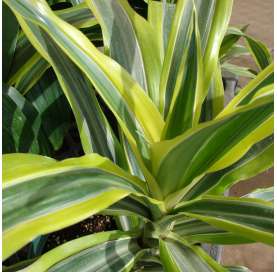
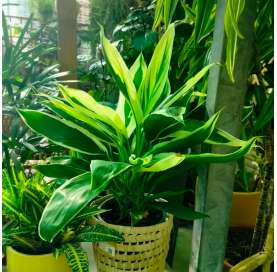
The bromeliad is a highly decorative ornamental plant appreciated for its exotic appearance, rosette-shaped structure, and striking colourful bracts, which are often mistaken for the flowers themselves. Its leaves are usually long, firm, and arching, and may appear in different shades of green, sometimes with reddish tones or markings. It is widely used both indoors and in sheltered patios or terraces because of its ornamental value and long-lasting display.

Origin

The bromeliad belongs to the Bromeliaceae family, which is native mainly to Central and South America. Many species come from tropical and subtropical regions, where they grow in rainforests, humid woodlands, or warm climates.

History

Bromeliads have been part of American tropical ecosystems for centuries. Over time, they began to be cultivated as ornamental plants because of their unusual shape and the striking beauty of their colours. Today, there are many varieties and hybrids used in gardening and interior decoration.

Care

It is a very decorative plant and quite easy to maintain if a few basic conditions are respected.

  • Light: needs plenty of light, but usually indirect light. Strong direct sun can damage the leaves.
  • Soil: prefers a light substrate with very good drainage.
  • Position: ideal for bright indoor spaces or sheltered outdoor areas in mild climates.
  • Temperature: grows best in warm environments and does not tolerate intense cold well.

Watering

Watering should be moderate.

  • It appreciates some humidity, but not excessive moisture.
  • Many bromeliads benefit from having a little water in the central rosette, which should be refreshed from time to time so it does not become stagnant.
  • The substrate should never remain waterlogged.

Pruning

Pruning is minimal.

  • Dry or damaged leaves should be removed.
  • When the main flower or bract has completely dried, it can be cut off from the base.
  • After flowering, many bromeliads produce offsets or pups, which can be separated once they are large enough.

Curiosity

One of the most interesting facts about bromeliads is that many species flower only once in their lifetime, but afterwards they produce offsets that continue the cycle. Also, the most striking part of the plant is not always the true flower, but the coloured bracts, which last for a long time and give the plant its distinctive appearance.

20373-C11-VER

Data sheet

Name
Bromelia (Bromeliad)
Origen
Tropical and subtropical America
Height
20–60 cm (depending on the variety)
Colour
Green foliage with flowers in red, pink, orange or yellow tones
Flowering
Varies by species, usually once a year with long-lasting blooms
Irrigation
Moderate. Keep some water in the central rosette and the substrate slightly moist.
Sowing distance
20–30 cm
Applications
Indoor plant
Note
After flowering, the mother plant gradually declines but produces offsets that can be replanted. Avoid overwatering the soil.
Poda
Remove the dried flower and damaged leaves. The mother plant may produce offsets.

12 other products in the same category: