
 English
 Spanish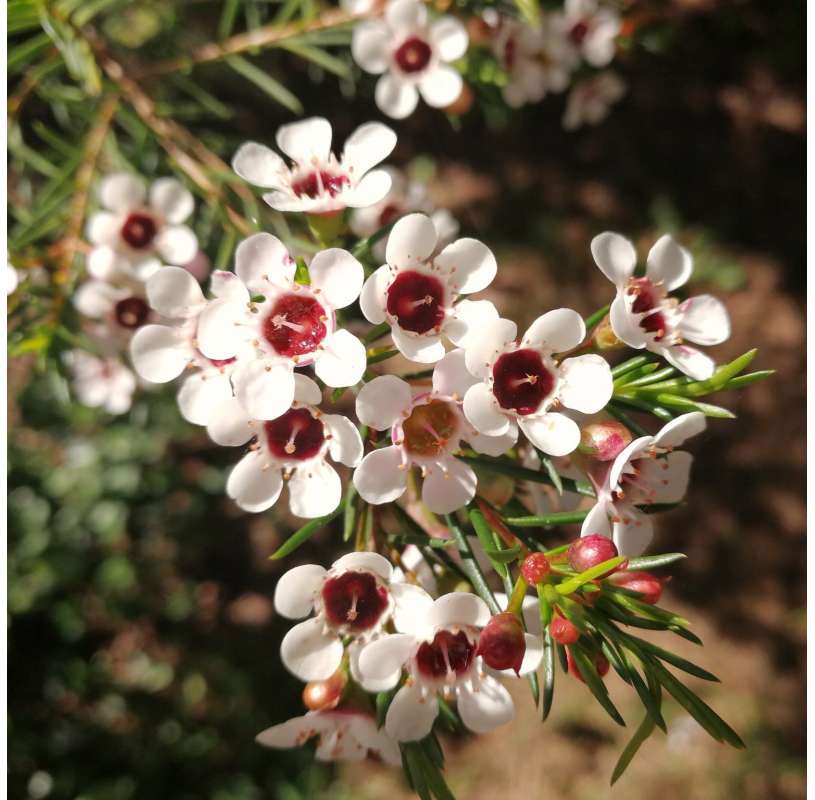
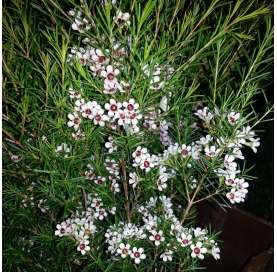
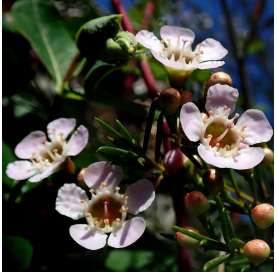
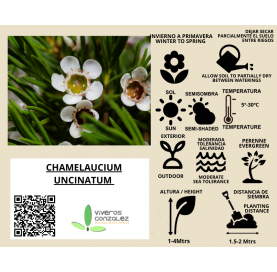
Waxflower is an evergreen shrub of Australian origin that can be grown successfully in dry, sunny and warm climates.
 Encrypted payments for greater security
To reduce the plant's time in transit, shipments are made from Monday to Wednesday.


Shipping only to mainland Spain and mainland Portugal
Origin
Western Australia, particularly in coastal regions with Mediterranean climate.
History
Chamelaucium uncinatum, commonly known as Wax Flower, gets its name from the shiny, waxy texture of its petals. It is highly valued in floristry as a cut flower due to its long vase life and delicate scent.
Fun fact
It attracts pollinators like bees and butterflies. Its flowers can last up to three weeks after being cut, making it ideal for bouquets and wedding arrangements.
Care
Prefers full sun and very well-drained soils. Tolerates poor, sandy terrain and grows well in dry gardens. Does not like excessive moisture. Perfect for rockeries, slopes, and Mediterranean landscapes.
Pruning
Light pruning after flowering helps maintain shape and encourage branching. You can also remove faded flowers during blooming season.
Watering
Low. Once established, it is highly drought-tolerant. During the first year, water moderately to help roots settle. Avoid waterlogging.
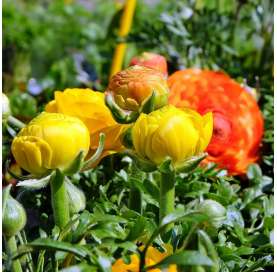
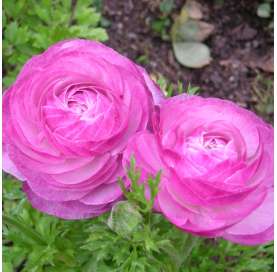
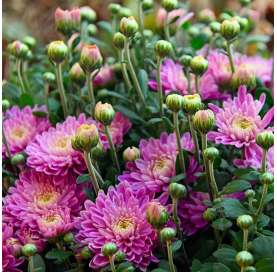


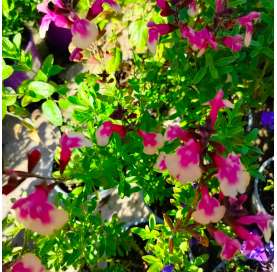
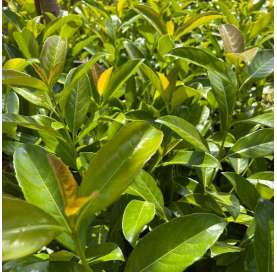
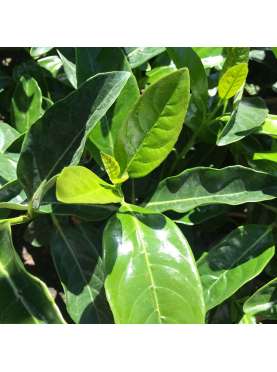
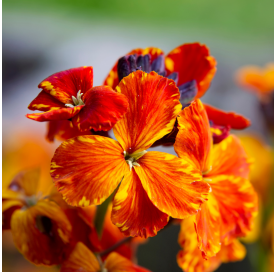
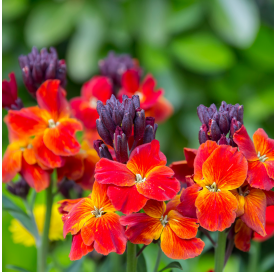


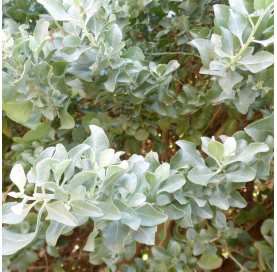
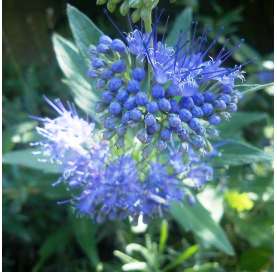
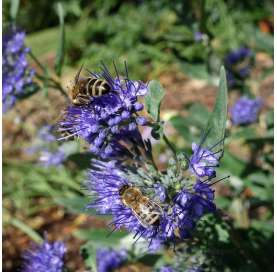
Waxflower is an evergreen shrub of Australian origin that can be grown successfully in dry, sunny and warm climates.