 English
 Spanish

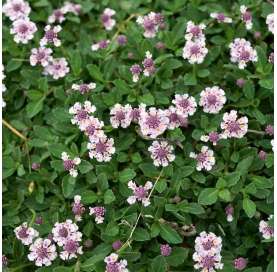
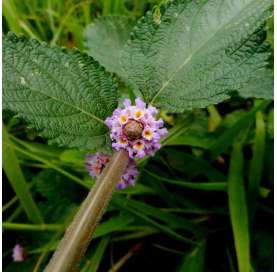
Lippia nodiflora, also known as frogfruit, is a low-growing perennial ideal as a lawn alternative in eco-friendly gardens. Heat-tolerant, fast-spreading, and with tiny flowers that attract pollinators, it's a low-maintenance groundcover for warm climates.
 Encrypted payments for greater security
To reduce the plant's time in transit, shipments are made from Monday to Wednesday.


Shipping only to mainland Spain and mainland Portugal
Lippia nodiflora, also known as frogfruit or creeping vervain, is a fast-growing, perennial groundcover from the Verbenaceae family. Its low, spreading growth habit makes it an excellent lawn alternative in warm climates. It forms a dense mat of small, oval green leaves and produces abundant tiny flowers in shades of lilac or pink with a white center.
Native to tropical and subtropical regions of the Americas, Lippia nodiflora has been traditionally valued both for ornamental use and medicinal purposes. Today, it is widely used in sustainable landscaping and xeriscaping due to its resilience and low water needs.
Location: Thrives in full sun but tolerates partial shade.
Temperature: Very heat-tolerant and can survive light frost once established.
Soil: Adapts to various soil types, though it prefers well-drained soils.
Pests and diseases: Generally resistant to pests and diseases, making it ideal for low-maintenance gardens.
Once established, it is highly drought-tolerant. During its first year, regular watering is recommended to promote strong root development. After that, occasional watering is sufficient, even during summer.
Minimal pruning is needed. You can trim it to maintain shape or prevent it from spreading too far. It can also be mowed occasionally if used as a lawn substitute.
Besides being a great option for water-wise gardens, Lippia nodiflora is a magnet for butterflies, bees, and other pollinators, making it perfect for ecological and wildlife-friendly gardens. In some cultures, it’s also used medicinally, particularly in soothing herbal infusions.
Tropical and subtropical Americas.





Lippia nodiflora, also known as frogfruit, is a low-growing perennial ideal as a lawn alternative in eco-friendly gardens. Heat-tolerant, fast-spreading, and with tiny flowers that attract pollinators, it's a low-maintenance groundcover for warm climates.