
 English
 Spanish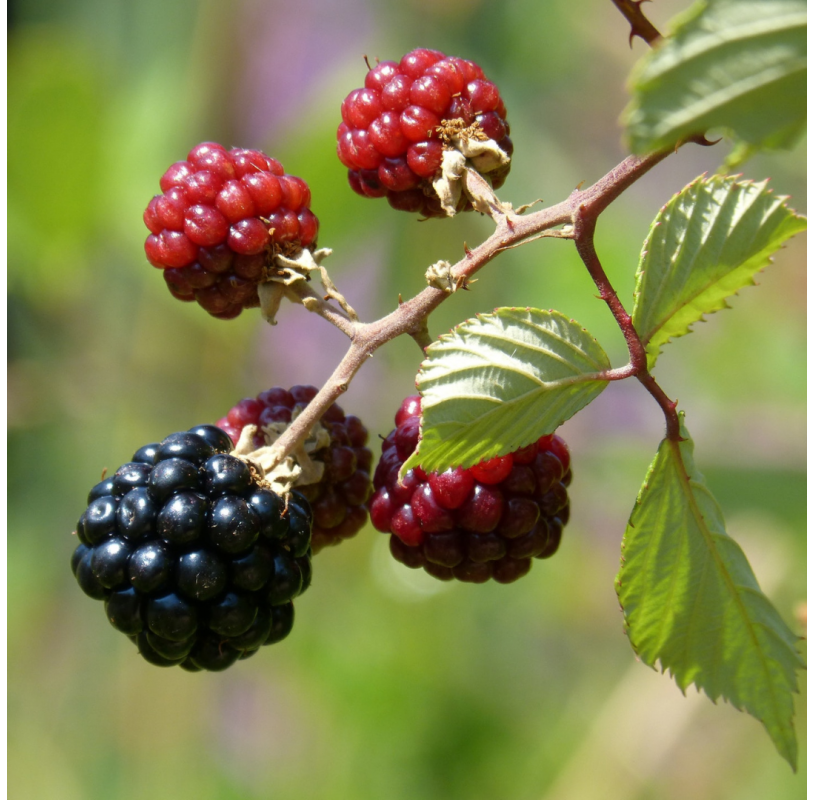

Rubus fruticosus, or blackberry, is a hardy perennial shrub that produces sweet, nutritious berries. Easy to grow, it's perfect for home gardens and supports local wildlife.
 Encrypted payments for greater security
To reduce the plant's time in transit, shipments are made from Monday to Wednesday.


Shipping only to mainland Spain and mainland Portugal
Rubus fruticosus, commonly known as blackberry, is a perennial, thorny shrub belonging to the rose family (Rosaceae). It produces sweet, juicy black fruits—the well-known blackberries. Its long, arching canes can grow several meters and form dense thickets. The leaves are compound, deep green, and have serrated edges.
Native to Europe and now naturalized in many parts of the world, blackberry has been used since ancient times for both its edible fruit and medicinal properties. Today, it grows wild along paths, forest edges, and rural areas, but is also cultivated for its valuable fruit.
Location: Requires plenty of light. It grows best in full sun or partial shade.
Temperature: Very hardy. It tolerates cold, heat, and tough conditions.
Soil: Prefers fertile, well-drained soil but adapts well to various types. Rich, organic soil is ideal.
Pests and diseases: Susceptible to fungal diseases in very humid environments, as well as aphids and mites. Proper pruning helps prevent most issues.
Needs regular watering during flowering and fruit ripening. In mild climates or when planted in the ground, it can survive with little water, but keeping the soil moist (not soggy) ensures better fruit production.
Pruning is essential for managing its growth and improving yields:
Remove canes that have already borne fruit, as they won’t fruit again.
In late winter, prune dead or weak branches to encourage a more open and productive plant structure.
Besides its delicious antioxidant-rich berries, blackberry leaves have been used in herbal teas for their astringent and anti-inflammatory properties. It’s also a great plant for wildlife—its flowers attract pollinators like bees, and the berries provide food for birds and small mammals.
Europe.






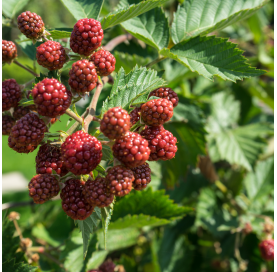


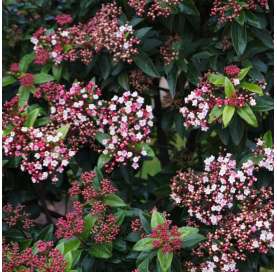
Rubus fruticosus, or blackberry, is a hardy perennial shrub that produces sweet, nutritious berries. Easy to grow, it's perfect for home gardens and supports local wildlife.