
 English
 Spanish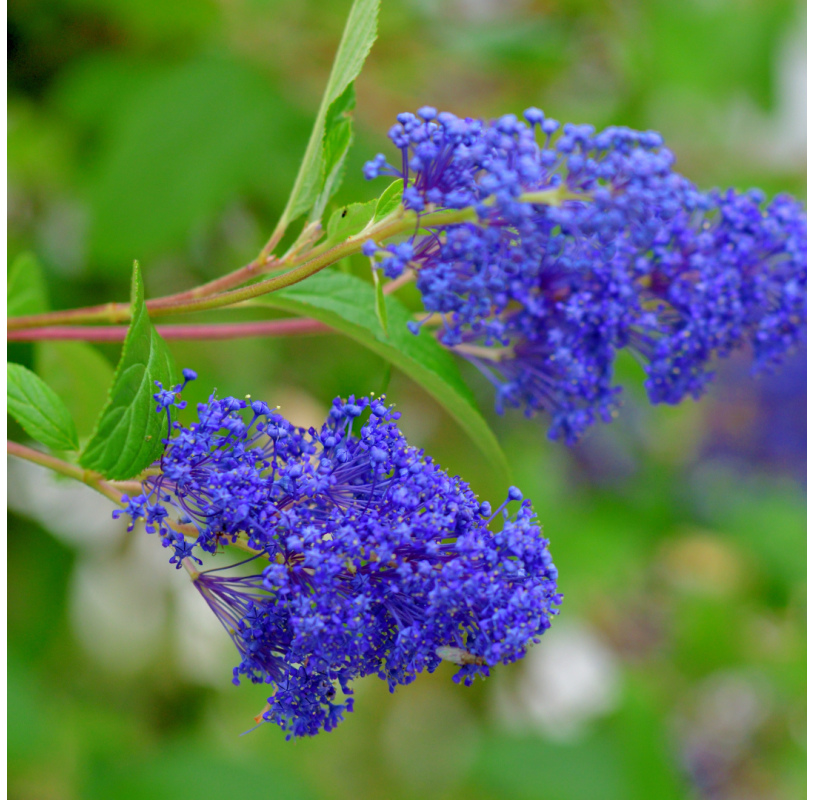

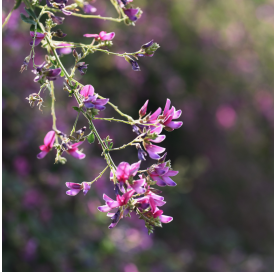
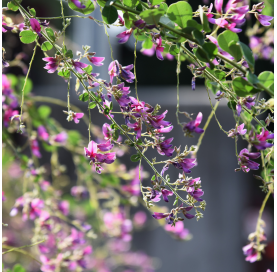
Ceanothus thyrsiflorus, also known as California lilac, is an evergreen shrub with showy blue flowers. Perfect for dry gardens or hedges, it’s low-maintenance and attracts pollinators.
 Encrypted payments for greater security
To reduce the plant's time in transit, shipments are made from Monday to Wednesday.


Shipping only to mainland Spain and mainland Portugal
Description
Ceanothus thyrsiflorus, commonly known as California lilac, is an evergreen shrub prized for its striking blue flower clusters and glossy green foliage. It produces fragrant blooms in spring and adds vibrant color to gardens with minimal care. Ideal for hedges, covering walls, or as a standalone ornamental plant in Mediterranean-style gardens.
Origin
Native to the west coast of the United States, particularly California, Ceanothus thrives in well-drained soils and temperate climates. It’s especially well-suited for coastal and drought-prone areas.
History
Cultivated since the 19th century, Ceanothus has gained popularity for its ornamental value and its ability to attract pollinators. It is also appreciated in sustainable gardening due to its drought tolerance and nitrogen-fixing properties.
Fun Fact
Although it's commonly called “California lilac” due to its flower shape and color, Ceanothus is not related to true lilacs. Its blooms are highly attractive to bees and butterflies, enhancing biodiversity in the garden.
Care
Ceanothus prefers full sun and well-drained soil. It tolerates dry conditions and salt, making it perfect for coastal gardens. Once established, it requires little maintenance and is a great choice for low-water landscapes.
Watering and Fertilizer
Regular watering is needed during the first year to help the plant establish. Once mature, it needs only occasional watering during prolonged dry periods. It generally does not require much feeding, though a balanced fertilizer in early spring can boost flowering.
Pruning
Light pruning after flowering helps maintain a compact shape and encourages new growth. Avoid heavy pruning into old wood, as the plant may not recover well from it.






Ceanothus thyrsiflorus, also known as California lilac, is an evergreen shrub with showy blue flowers. Perfect for dry gardens or hedges, it’s low-maintenance and attracts pollinators.