
 English
 Spanish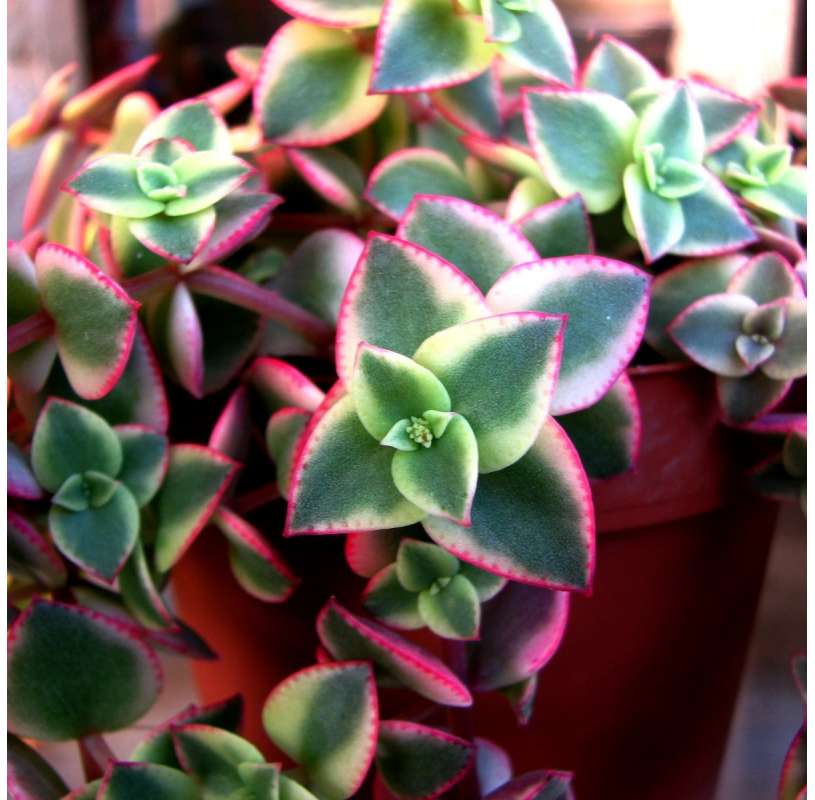
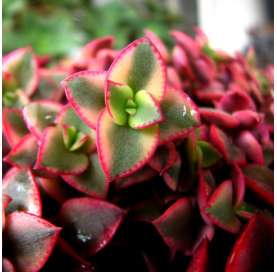
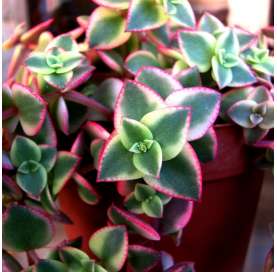
This succulent is a variety of Crassula, often called "Crassula Heart" due to the unique heart shape of its leaves. It exhibits a creeping growth habit, making it ideal for hanging cultivation. The leaves are fleshy, green with red edges, and typically appear in pairs.Crassula Pellucida Marginalis or crassula corazon is a plant native to the Cape area of South Africa.
 Encrypted payments for greater security
To reduce the plant's time in transit, shipments are made from Monday to Wednesday.


Shipping only to mainland Spain and mainland Portugal
Description:
This succulent is a variety of Crassula, often called "Crassula Heart" due to the unique heart shape of its leaves. It exhibits a creeping growth habit, making it ideal for hanging cultivation. The leaves are fleshy, green with red edges, and typically appear in pairs.
Origin and History:
The Crassula originates from South Africa, adapting to a variety of environments from scrublands to rocky cliffs and humid ravines. Its introduction to other continents has been mainly due to its popularity as an ornamental plant.
Watering:
It requires more water than other succulents but is still susceptible to overwatering. The leaves can turn yellow if it receives more water than necessary. During winter, it is crucial to reduce watering frequency to avoid rot issues.
Pruning and Care:
Pruning is generally not necessary except to shape or remove damaged parts of the plant. Good drainage is essential for its growth, and it must be protected from frost. Although it tolerates drought, it thrives better with adequate watering.
Light and Temperature:
It prefers plenty of sunlight, although it should be protected from direct midday sun in very hot climates. It can adapt to direct sun in areas with moderate temperatures. Its leaves take on a reddish hue if exposed to too much direct sunlight.
Pests and Diseases:
Aphids and scale insects are the most common pests affecting it. Regular inspection and cleaning will help prevent severe infestations.
Reproduction:
The most effective way to propagate is through cuttings or pairs of leaves. Cuttings can be planted directly in the substrate, where they will root in a short time.
For the Crassula "Heart" succulent, let's break down the information into the specified categories:








This succulent is a variety of Crassula, often called "Crassula Heart" due to the unique heart shape of its leaves. It exhibits a creeping growth habit, making it ideal for hanging cultivation. The leaves are fleshy, green with red edges, and typically appear in pairs.Crassula Pellucida Marginalis or crassula corazon is a plant native to the Cape area of South Africa.