
 English
 Spanish
- New
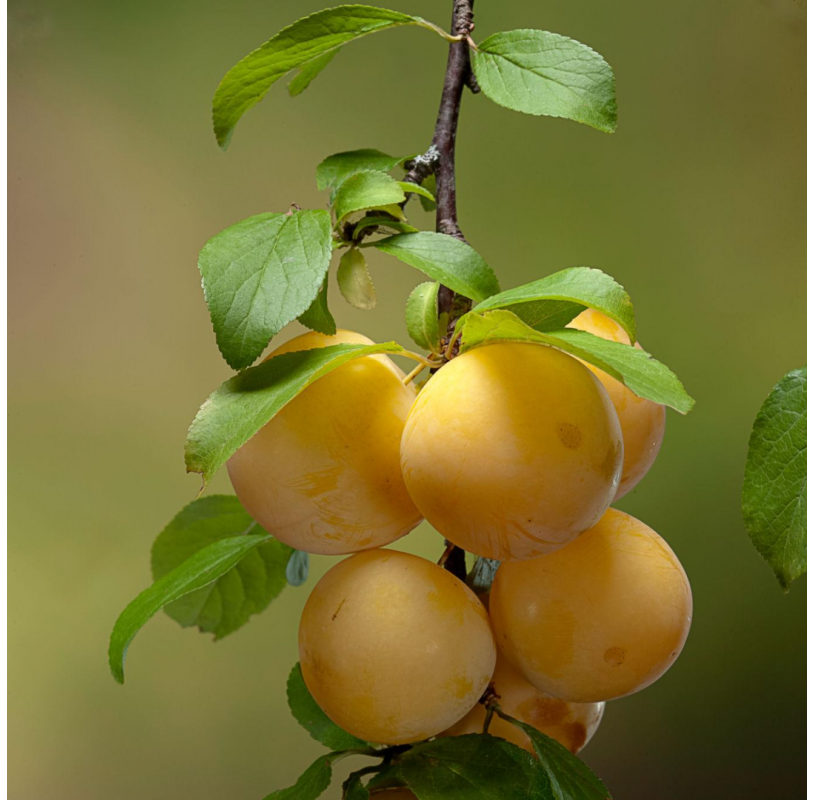

A medium-sized fruit tree cultivated since ancient times for its sweet and versatile fruit. The plum tree (Prunus domestica) needs full sun, well-drained soil and moderate watering. It adapts well to Mediterranean climates and produces plums for fresh consumption or drying.
 Encrypted payments for greater security
To reduce the plant's time in transit, shipments are made from Monday to Wednesday.


Shipping only to mainland Spain and mainland Portugal




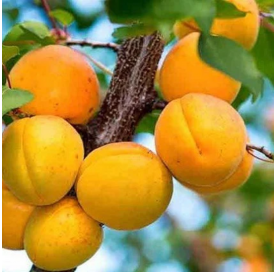
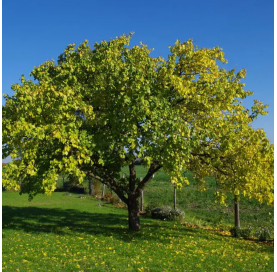


A medium-sized fruit tree cultivated since ancient times for its sweet and versatile fruit. The plum tree (Prunus domestica) needs full sun, well-drained soil and moderate watering. It adapts well to Mediterranean climates and produces plums for fresh consumption or drying.